

Local Business Directories to Prioritize in 2026
Local business directories are useful when customers actually search them and your listings are accurate. Start with the mapping profiles relevant to your business. Then review industry and community platforms. Keep ownership, login details, and the approved business information in one place. Measure referral visits and useful inquiries before adding more listings.
Local Business Directories to Prioritize in 2026
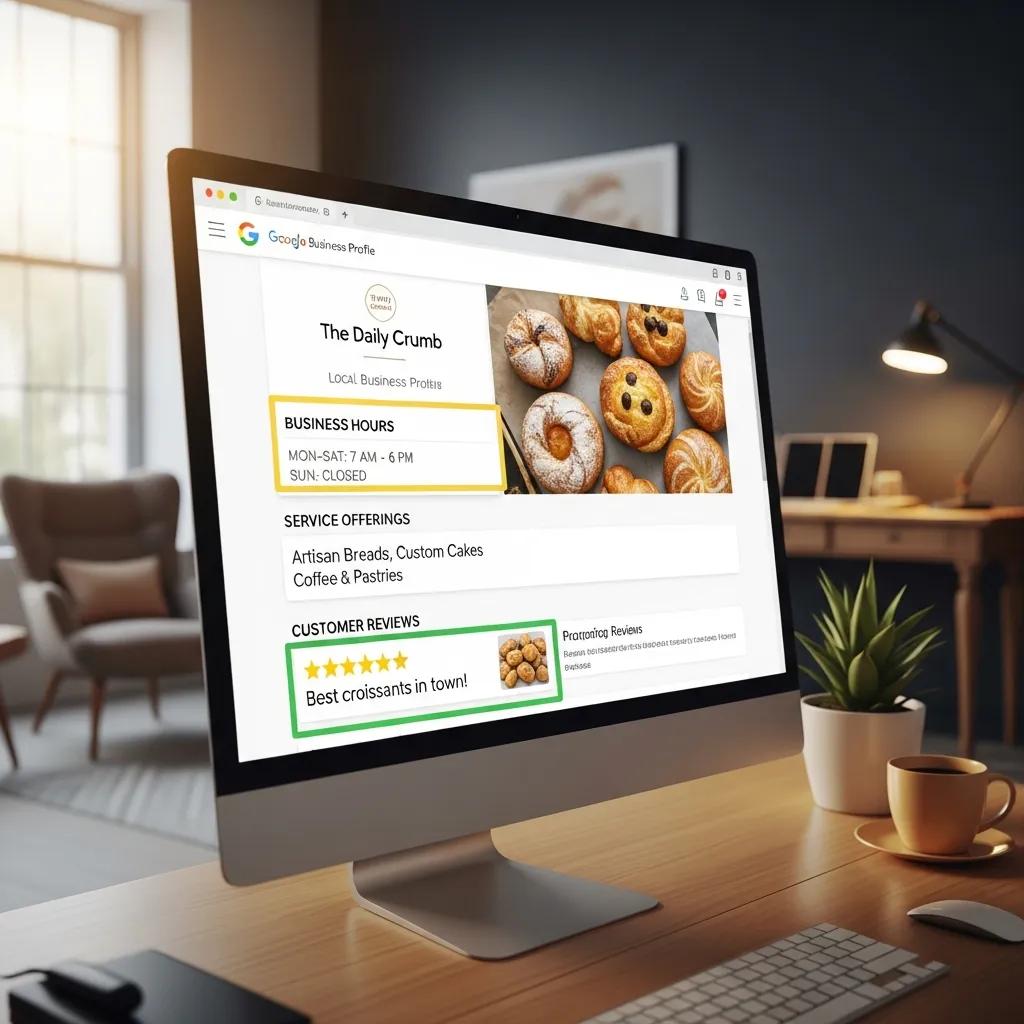
- Google Business Profile. The primary profile for Google Search and Maps. Keep the business as primary owner and complete the verification method Google assigns.
- Apple Business. Apple Business Connect is now part of Apple Business. Verified organizations can manage brands and locations, correct map placement, maintain hours and contact details, upload approved photos, configure place-card information and add supported customer actions. Apple reviews organization, location and submitted content; profile approval or visibility cannot be guaranteed.
- Bing Places for Business. Bing Places uses a claim, complete and verify workflow. A business can claim an existing listing or add one, complete details such as photos, services, hours and contact methods, then verify through an available address, phone or email PIN method. Bulk upload is available for multi-location businesses, and some service businesses can hide their address in search results.
- Yelp Business Page. Most relevant for review-led categories such as restaurants, home services and many local services.
- Facebook Page. Useful when customers confirm hours, location, events, messaging or recent activity.
- Nextdoor Business Page. Evaluate for neighborhood-driven services and businesses that depend on local recommendations.
- Better Business Bureau. Relevant where buyers actively check complaint history or accreditation; it is not a universal ranking requirement.
- Local chambers and government directories. Use legitimate organizations serving the actual market.
- Industry-specific directories. Medical, legal, construction and professional directories can attract higher-intent visitors.
- B2B supplier and procurement directories. Manufacturers should prioritize platforms used by sourcing teams rather than consumer directory volume.
For Apple and Bing, the operational priority is ownership, verification and accurate customer-facing information. Neither platform publishes a formula that supports keyword stuffing, review scripting, fixed posting cadences or guaranteed local placement.
Prioritize Directories in Three Tiers
| Tier | Platforms | Rule |
|---|---|---|
| 1: Own and maintain | Google, Apple, Bing | Core mapping profiles with first-party ownership. |
| 2: Customer-dependent | Yelp, Facebook, Nextdoor, BBB | Invest when customers use the platform to compare or contact businesses. |
| 3: Vertical authority | Professional, trade, chamber, supplier and procurement directories | Select by buyer intent, eligibility and referral quality. |
What changed in 2026
- Apple’s naming changed: Apple Business Connect is now part of Apple Business.
- Google verification is profile-specific: Google determines which verification options are available, which may include phone, email, video, live video or postcard.
- Ownership is part of the work: the business should retain primary ownership and grant agencies manager access.
- More listings are not automatically better: duplicates, old locations and abandoned profiles can create confusion and operational risk.
- Location links should be specific: multi-location profiles should connect to the correct location or action page when supported.
Choosing Local Business Directories by Business Type
Medical practices
Start with mapping platforms, then evaluate Healthgrades, Zocdoc and specialty or insurer directories based on provider participation and credential accuracy. Keep protected health information out of public review responses.
Law firms
Evaluate Avvo, FindLaw, Martindale-Hubbell, state bar profiles and practice-specific directories. Licensing, locations and attorney identity must remain accurate.
Contractors and home services
Google, Yelp, Nextdoor, BBB and trade directories may matter, but service-area settings, licensing and insurance should be handled carefully.
Manufacturers and industrial suppliers
General consumer directories are secondary. Prioritize supplier databases, procurement systems, trade associations and capability profiles used by sourcing teams.
Related guidance: medical practice marketing, law-firm marketing, contractor marketing, and manufacturing marketing.
A Checklist for Local Business Directories
- Create one approved business-data record for every location: name, address, phone, website, hours, categories, services and service area.
- Claim existing profiles before creating new ones.
- Document owners, managers, recovery emails and two-factor authentication.
- Use accurate categories rather than adding keywords to the business name.
- Connect profiles to working, crawlable and location-appropriate landing pages.
- Upload real photos and keep hours, services and attributes current.
- Resolve duplicates, former addresses and old phone numbers before broad distribution.
- Add UTM parameters where permitted to separate traffic by platform and location.
Automated distribution can help with secondary directories, but priority profiles still require manual ownership and quality control. Directory cleanup can improve accuracy and discovery, but it does not guarantee rankings, calls or sales.
Reviews and performance measurement
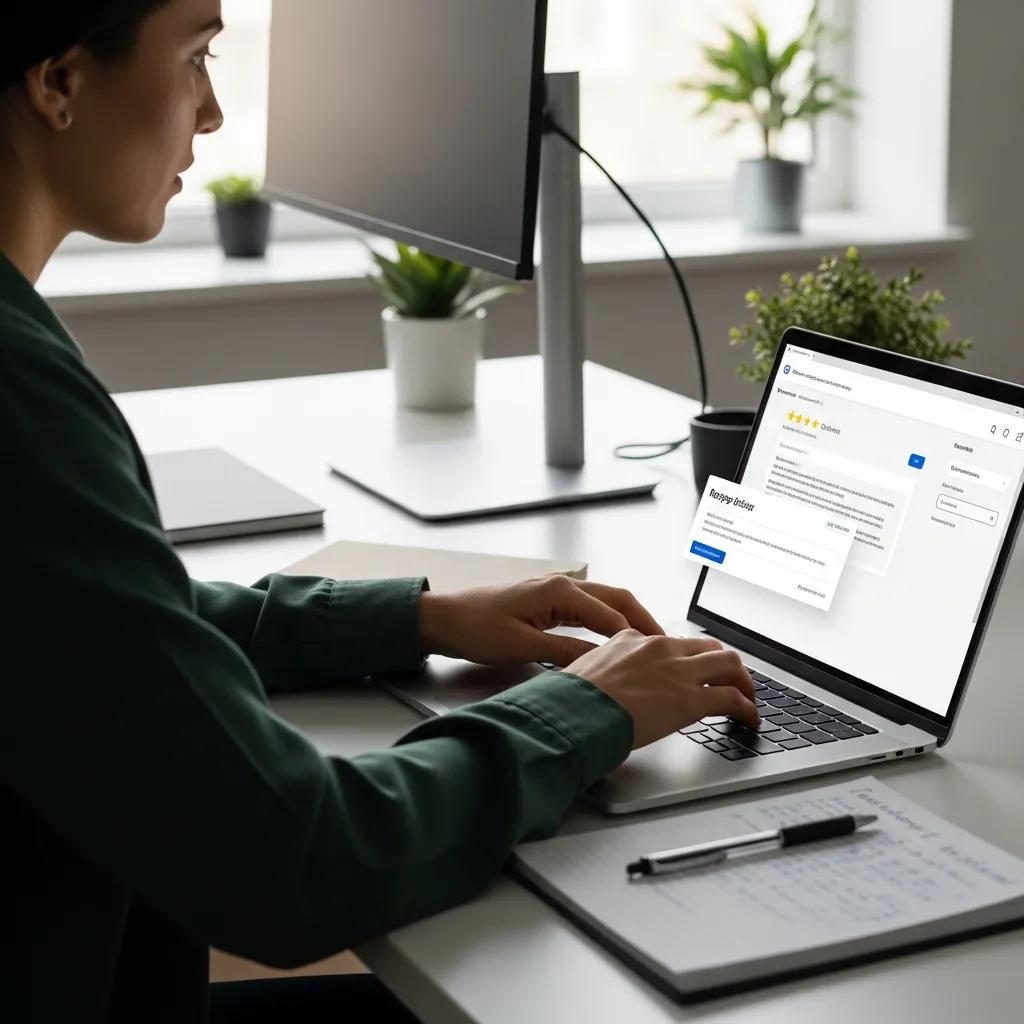
Review management should follow each platform’s policies and the business’s privacy and escalation requirements. Monitor priority profiles, respond without exposing confidential information, move account-specific disputes offline when appropriate, and never buy or gate reviews.
Measure calls, website visits, directions, messages and bookings reported by the platform; UTM-tagged sessions and conversions; qualified inquiries by location or service line; duplicate-profile resolution; ownership coverage; and review-response time. Impressions and listing count are diagnostic metrics, not substitutes for leads, appointments, visits or sales.
Need a listing ownership and accuracy audit?
MarketMagnetix reviews ownership, duplicates, business data, location links, categories and tracking across priority local platforms.
Frequently asked questions
Which directory should a local business claim first?
For most eligible local businesses, Google Business Profile is the first priority, followed by Apple Business and Bing Places.
How many directories does a company need?
There is no universal target. Maintain the profiles customers use and the team can keep accurate. Ten controlled profiles are more useful than hundreds of conflicting records.
Should an agency own the listings?
No. The business should retain primary ownership and grant the agency appropriate manager access.
Do directory listings guarantee rankings?
No. Visibility also depends on relevance, proximity, competition, reviews, website quality, policy compliance and platform systems.
How often should listings be reviewed?
Update immediately after business changes and review priority profiles at least quarterly and before seasonal or holiday changes.
Official platform references: Google verification, Apple Business update, Bing Places, and Yelp Business Page.
For further guidance, see the Google’s local ranking guidance. Also explore our guide on New Jersey Local SEO Guide: Google Maps, Listings and Leads.


